Skip to content
Home » Medicine » Cardiology » Page 7

Cardiology

Vaccines save lives–even more evidence

Vaccines-save-lives;-fear-endangers-them.-It's-a-simple-message-parents-need-to-keep-hearing.One of my favorite tropes (of so many) of the vaccine denier gang is that vaccines are not effective, thereby implying that the limited usefulness is not worth the risks of vaccines, real or imagined. But the fact is vaccines do save lives in measurable and sometimes fascinating ways. Two peer reviewed papers, recently published, provided clear evidence of some of the ways vaccines directly save lives.

The first article analyzed the relationship between flu vaccines and reduction of cardiovascular events; while the second one examined how vaccines might reduce morbidity and mortality from pneumococcal meningitis.

Let’s start with the flu vaccine, which has a high safety profile and most people receive for the obvious reasons–flu prevention. However, we are aware of other benefits of the flu shot, including providing somewhat better outcomes during pregnancy. In an article published on 21 August 2013 examined a previously suspected, but not firmly established, benefit of the flu vaccine was examined. This study found that the risk of getting a heart attack was about 50% less amongst patients who were vaccinated against the flu compared to a group that was not.

Now, the study does not show that the flu vaccine has some miraculous anti-heart attack component, it might reduce the risk of catching the flu, or possibly reducing the severity of the infection, which reduces the risk of having a heart attack. In fact, the study’s original hypothesis was that catching the flu might actually increase the risk of a cardiovascular event, specifically a heart attack.

Furthermore, the researchers observed that the flu vaccine reduced heart attack risk even when the vaccine’s effectiveness was shown to be not very high. This conclusion itself debunks one of the huge myths of the antivaccination crowd (which is essentially that if it’s not 100% effective then we must conclude that it’s 0% effective, an application of the Nirvana logical fallacy); sometimes even when a vaccine isn’t completely effective, it still has some net positive effects.Read More »Vaccines save lives–even more evidence
Vitamin D and high blood pressure–probably ineffective

supplementsVitamin D is a group of fat-soluble steroid-like biochemicals that have one known responsibility in human health–enhancing intestinal absorption of calcium and phosphate, minerals which are necessary for bone development and bone health. In humans, the most important D vitamins are vitamin D3 and vitamin D2, both of which can be ingested from dietary sources, including fishes, milk products, and many other foods. However, the body can synthesize vitamin D’s in the skin when exposure to sunlight is adequate. Because humans can produce their own vitamin D, it is not strictly considered an essential dietary vitamin, which are vitamins that cannot be synthesized in sufficient quantities by an organism, and must be obtained from its diet.

Even though supplementation is necessary for people who aren’t receiving adequate levels of vitamin D through either sun exposure or diet, excessive intake of the vitamin causes a condition called hypervitaminosis D. Excessive vitamin D can lead to acute problems, like excess thirst or increased urination, but over a long-term can lead to heart disease and other chronic conditions.  

Despite the understanding that vitamin D has only one real function, regulation of calcium and phosphate uptake, that hasn’t stopped the junk medicine pushers from making all sorts of claims about its usefulness in human health. In fact, recent studies have shown that vitamin D doesn’t reduce the risk of breast cancer, one of the more popular myths about the vitamin.Read More »Vitamin D and high blood pressure–probably ineffective

Multivitamins–big money, no effect on cardiovascular disease

A few months ago, I wrote about the role of supplements, mainly vitamins and other nutrients, in preventing cancer. Conclusion: they didn’t. To quote Martinez et al., who published a review of dietary supplements and vitamins in cancer prevention, 

Nutritional supplementation is now a multibillion-dollar industry, and about half of all US adults take supplements. Supplement use is fueled in part by the belief that nutritional supplements can ward off chronic disease, including cancer, although several expert committees and organizations have concluded that there is little to no scientific evidence that supplements reduce cancer risk. To the contrary, there is now evidence that high doses of some supplements increase cancer risk. Despite this evidence, marketing claims by the supplement industry continue to imply anticancer benefits. Insufficient government regulation of the marketing of dietary supplement products may continue to result in unsound advice to consumers. Both the scientific community and government regulators need to provide clear guidance to the public about the use of dietary supplements to lower cancer risk. 

All those expensive supplements, most of which have broad and unproven claims made about them, do precious little for cancer. And some actually increase the risk of certain types of cancer.Read More »Multivitamins–big money, no effect on cardiovascular disease

Eggs and your arteries–yolk or no yolk

Here we go again. The popular press gets ahold of a scientific study, misinterprets it, and runs a scary story. Of course, it’s much worse if the scientific study published in a respected journal seems to also misinterpret the study. As I mentioned before, a true skeptic needs to critically analyze whatever is written in the press by going to the original study whenever possible; but what happens if that study requires some critical analysis? Well, I never said it was easy. If you want easy, denialism is really easy!

So back to the eggs. All across the news during the past week or so, you probably saw a story that eating egg yolks cause arteriosclerosis, a chronic condition in which an artery wall thickens as a result of the accumulation of fatty materials such as cholesterol. Some people may have already believed that anecdotally, but a new article published in Atherosclerosis, Egg yolk consumption and carotid plaque, concluded that, 

Our findings suggest that regular consumption of egg yolk should be avoided by persons at risk of cardiovascular disease. This hypothesis should be tested in a prospective study with more detailed information about diet, and other possible confounders such as exercise and waist circumference.Read More »Eggs and your arteries–yolk or no yolk

Stem cell treatments for heart attacks

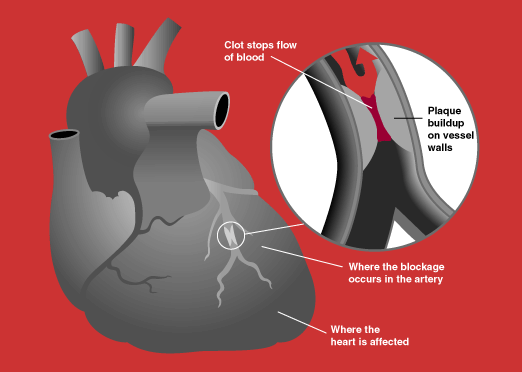
Acute myocardial infarctions (AMI), commonly known as heart attacks, are responsible for about 12.6% of deaths worldwide, according to The World Health Report 2004 – Changing History.  In the United States, about 16.6% of those who have heart attacks die within 30 days of the attack.  Outside of AIDS and a few infectious diseases, AMI is the biggest killer of adults.

An AMI is essentially caused by a blockage of the coronary arteries which leads to cellular damage of some of the heart muscle (myocardium).  This prognosis can be minor to deadly, depending on a lot of issues such as other cardiovascular risk profile (diabetes, peripheral vascular disease, smoking and others), quality of treatment, and severity of the tissue damage.  Over the past few years, treatments have improved the outlook for AMI sufferers, but the risk of a subsequent heart attacks and mortality rates are still high.Read More »Stem cell treatments for heart attacks